
The Higher You Rise, the More Your Leadership Habits Matter
Moving into a more senior role usually feels like a natural next step. You've built the experience, earned the trust, and settled into ways of working that have served you well. But as the responsibility grows, the way you lead has to grow with it. Your decisions go further, and your words land harder. And your ability to bring people with you starts to matter as much as anything technical you know how to do.
The leadership habits that got you here won't always be the ones that help you thrive at the next level. That's just what happens when the role gets bigger. This is a good moment to look at the leadership habits you've built and where executive coaching programs can help you lead with more clarity and confidence.
Why Leadership Habits Matter More the Higher You Go
Earlier in your career, being a strong leader probably meant being the person who got things done. You solved the problems, hit the deadlines, stepped in when things went sideways, and built a reputation for being reliable. None of that stops mattering when you move up, but the reach does.
A habit that once touched a handful of people can now shape a whole team or function. Holding onto too much work, avoiding an uncomfortable conversation, making a hasty call without explaining your thinking because at this level, the impact of those goes further than you might notice. Now what matters isn't just whether your approach gets results; it's what it asks of the people around you.

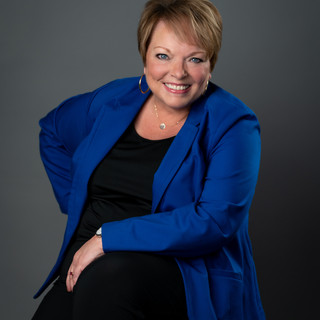
Photo: Drew Beamer / Unsplash
When Being the Answer Starts Working Against You
Leadership has a point where being exceptionally helpful starts to cost you. If people know you'll step in whenever something gets hard, they have less reason to work through it themselves. In the moment, it feels efficient, especially when time is tight. But over time, it builds dependence.
Senior leadership calls for a different kind of usefulness. You'll still handle the occasional urgent thing, but your real job now is to set direction, make the calls that matter, and grow people who can decide well without waiting on you. Before you jump in, ask yourself: does this actually need me? More often than you'd think, the strongest move is to stay out of the way.
Your Position Changes How People Hear You
A senior leader doesn't need to make a speech to move a room. A passing comment can shift priorities. A raised eyebrow can make someone second-guess a good idea. An abrupt reply can signal the conversation's over when you never meant to close it.
This is one of those things that only becomes clear with experience: your position changes how people hear you. That doesn't mean you should become careful or stiff. It means reading the moment: sometimes a question accomplishes more than an answer, and sometimes people need to understand why you decided, not just what you decided. Pay attention to what happens after you speak because their reaction often tells you more than the conversation did.
Build a Way of Deciding You Can Trust
At senior levels, certainty is usually off the table. You're working with incomplete information, strong opinions from people you respect, and a decision that can't sit untouched forever. Good judgment isn't about waiting until you know everything. It's about knowing how to think when you don't.
Before an important call, it helps to separate what you know from what you're assuming, notice whose perspective is missing, and picture how the decision might look months from now, not days. A few habits that hold up under pressure:
Telling facts apart from assumptions before you land on a conclusion
Asking which missing piece of information could change your mind
Inviting disagreement before the group settles too fast
Weighing the consequences beyond the immediate business need
Looking back at the big decisions to understand what they taught you
A good decision process gives you a clearer way to learn when the outcome doesn't go your way.
Notice Who You Become Under Pressure
Most of us have a version of ourselves that shows up when the stakes climb. Maybe you get more directive or start doing the work yourself because it feels faster. Maybe you pull back because you don't want to react too soon. These are patterns, and knowing your patterns gives you choices.
This matters more the higher you go, because people adjust themselves around you. If you're tense, they get cautious. If you shut down disagreement once, they stop offering it. Seeing that connection can change how you handle the hard moments.
Protect Time to Think, Not Just Time to Act
Calendars fill themselves. Meetings, urgent decisions, constant interruptions — and your good intentions to spend time thinking are done before the day's half over. But some leadership problems can only be addressed with distance.
You might need to step back and ask why the same conflict keeps resurfacing, why your team still routes certain decisions through you, or whether your real priorities are showing up in how you actually spend your time. This is the kind of objective distance coaching offers, not another list of advice, but working through a real-time situation you're in. For leaders stepping into more responsibility, visibility, or influence, executive coaching offers focused, objective room to look at the challenges that tend to surface as a career grows.
Let Your Leadership Style Grow With the Role
You don't have to throw out the qualities that made you successful. The better approach is to consider if those qualities still fit the role you hold now. Being hands-on may have built you a strong team, but once you're responsible for several teams, staying that close to the work becomes a constraint on all of them.
Executive coaching gives leaders a place to consider these tensions without having to perform for anyone. Sometimes seeing a familiar situation from a different angle is all it takes to find a better way through.
A Shift Worth Making
The higher you rise, the more your habits matter because more people feel their effects. The answer isn't to become more polished, more guarded, or self-conscious. It's to become more deliberate. Sometimes that means delegating something you'd normally keep. Sometimes it's asking one more question before you decide, or staying in a hard conversation instead of rushing to close it.
My work helps leaders create room to look at these patterns and lead more intentionally. If you're taking on greater responsibility, or thinking seriously about your next stage, I'd be glad to think it through with you. Just an honest look at how coaching could support the way you lead.
FAQs
What leadership habits become more important as you move into a senior role? Senior leaders benefit from stronger delegation, thoughtful communication, self-awareness, strategic thinking, and sound decision-making.
How can senior leaders avoid becoming the person everyone depends on for answers? By helping their teams solve problems, make decisions, and take real ownership rather than waiting for constant direction.
Why does communication carry more weight at senior leadership levels? Senior leaders shape priorities and team behavior, so even a brief comment or reaction can have a wide effect.
How can leaders improve their decision-making under pressure? By separating facts from assumptions, inviting different perspectives, and making room to weigh the longer-term consequences.
When can executive coaching help leaders strengthen their leadership approach? When a leader wants to examine established habits, build self-awareness, and adapt their approach as their responsibilities grow.


Comments